
When it comes to dietary choices, the debate over carbohydrates continues to divide experts and consumers alike. From the recent “zucchini crisis” in the UK to the “Carb Cycling” trend in the US, the question of whether to carb or not to carb remains a hot topic in the world of nutrition.

In Australia, dietary guidelines have evolved over the years, shifting the focus from fats to plant sources, grains, and proteins. Despite this, many Australians still consume high levels of discretionary foods, increasing the risk of various health issues such as weight gain and high cholesterol.
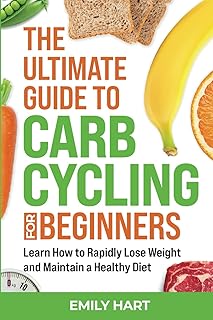
The latest research from the CSIRO introduced a “Low Carb Diet” approach, highlighting the benefits of reducing carbohydrate intake for individuals with type 2 diabetes or at risk of developing the condition. This approach not only improved blood cholesterol levels but also led to a reduction in medication dependency.

While indulging in carb-heavy meals like pasta may provide temporary satisfaction, studies suggest that refined carbohydrates could have negative effects on overall well-being. Research conducted at Columbia University revealed a link between consuming refined carbs and experiencing symptoms associated with depression and mood swings.

Dr. Jo McMillan, a Sydney-based dietitian, emphasizes the importance of understanding the impact of carbs on gut health. She suggests that incorporating fermentable fibers from whole grains, legumes, fruits, and vegetables can promote a healthy gut microbiota, leading to improved immune and mental health outcomes.
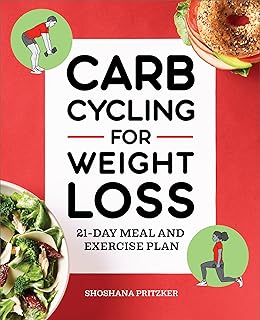
Professor Arne Astrup from the University of Copenhagen advocates for a balanced approach to carbohydrates, recommending low-GI, high-fiber, and whole grain options. He highlights the importance of distinguishing between good and bad carbs based on factors such as glycemic index and fiber content to reduce the risk of various health conditions.

On the other hand, Professor Grant Schofield from the Auckland University of Technology promotes a low-carb, low-sugar, high-fat diet as a sustainable approach to nutrition. He emphasizes that fats and proteins are essential for human function, suggesting that dietary carbohydrates are not a compulsory component of a healthy diet.
Luke Hines, a Sydney-based personal trainer and cookbook author, offers practical tips for reducing carb intake without sacrificing flavor or energy. He suggests simple swaps like using nutrient-dense ingredients such as chia seeds and coconut flour to create satisfying and healthy alternatives to traditional carb-heavy dishes.
As the ongoing debate over carbohydrates continues, it is evident that there is no one-size-fits-all approach to nutrition. Whether it’s following a low-carb diet for health reasons or making mindful choices about the types of carbs consumed, individuals can find a balance that works best for their unique needs and preferences.
📰 Related Articles
- Weighted Vests: Experts Debate Benefits for Fitness and Health
- Soy Consumption: Experts Debunk Health Concerns and Highlight Benefits
- Senior Piano Lessons Boost Brain Health, Prevent Dementia: Experts
- Optimize Health with Vitamin C-Rich Foods, Experts Advise
- Menstrual Hygiene Crisis Impacts Indian Schoolgirls’ Education and Health