
As the cost of eggs continues to rise, many individuals, especially those on a budget, are seeking alternative options for cooking and baking. The scarcity and high prices of eggs have prompted people to explore egg substitutes for their culinary needs.
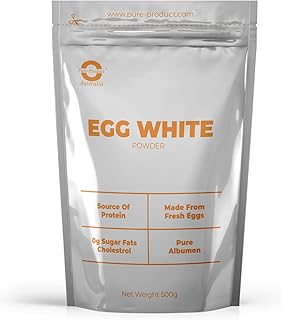
Historically, eggs have been a staple ingredient in many recipes, providing essential functions such as moisture, binding, and leavening. However, with the increasing prices and limited availability of eggs, consumers are turning to egg substitutes to maintain the texture and flavor of their favorite dishes.
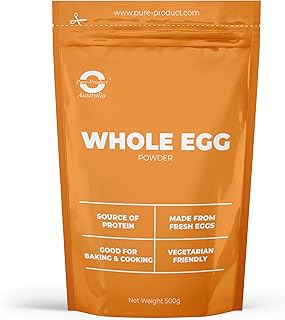
When considering egg substitutes, it is crucial to understand the role eggs play in various recipes. Eggs serve as a binding agent, adding moisture and contributing to the overall texture of baked goods. Different substitutes can mimic these functions, providing similar results in the final product.

There are several viable alternatives to eggs in cooking and baking, each offering unique benefits and characteristics. Applesauce, for instance, can add moisture and a subtle sweetness to cakes and muffins, making it an excellent replacement for eggs in certain recipes.
Another popular option is powder egg replacer, a dry vegan alternative that works well in baking cookies and cakes. While it may lack moisture, supplementing with additional liquids can help achieve the desired texture and consistency in the final product.

Corn starch is a versatile substitute, particularly useful in custards and pastry creams. When used in the right quantities, corn starch can effectively replace eggs, providing the necessary binding and thickening properties required in many recipes.

Chia seeds and flaxseeds are healthy alternatives that can be used to create gel-like textures similar to eggs. By mixing these seeds with water, a gel forms, serving as a binding agent in various dishes. While they may alter the texture slightly, chia and flaxseeds offer nutritional benefits and can be suitable substitutes in vegan and egg-free recipes.
Plant-based eggs, such as those made from mung beans, provide a vegan-friendly option for dishes that traditionally require eggs. These alternatives can mimic the appearance and texture of eggs in recipes like scrambles and omelets, offering a cruelty-free and sustainable choice for consumers.
Pumpkin puree is another viable egg substitute, adding moisture and warm spices to baked goods. With a slightly sweet flavor, pumpkin puree can enhance the taste of muffins and bread without the need for additional sugar, making it a versatile ingredient in egg-free recipes.
Aquafaba, the liquid found in canned chickpeas, serves as a unique substitute for egg whites in recipes like meringues and macarons. While it may require some experimentation to achieve the desired consistency, aquafaba offers a plant-based alternative that can deliver airy textures and structures in various dishes.
Experimenting with different egg substitutes can help individuals discover new flavors and textures in their favorite recipes. While these alternatives may require some adjustments to achieve the desired results, they offer a practical solution for those seeking egg-free or vegan options in their cooking and baking endeavors.
📰 Related Articles
- Unlocking Culinary Creativity: Essential Egg Substitutes for Baking
- Nutritionist Reveals Innovative Egg Substitutes for Healthier Cooking
- Top 2025 Camping Lanterns: Bright, Versatile, and Budget-Friendly Options
- Publix Wedding Cakes: Customizable, Delicious, and Budget-Friendly Options
- Discover Last-Minute Camping Options in South Australia’s National Parks