
Optimizing gut health involves strategic seed consumption, as advised by AIIMS-trained gastroenterologist Dr. Sethi. Chia seeds in the morning provide energy, while flax seeds combat inflammation, sesame seeds support bone health at dinner, and fennel seeds aid digestion post-meal. Soaking seeds like chia boosts nutrient absorption, and moderation is key to avoiding digestive issues while reaping their benefits.

Seeds, though small, offer significant nutritional value crucial for gut health and overall well-being. Rich in fiber, healthy fats, vitamins, antioxidants, and minerals, seeds like chia, flax, sesame, pumpkin, and fennel are integral components of a balanced diet. Dr. Sethi emphasizes that consuming seeds at specific times optimizes nutrient absorption, digestion, metabolism, and overall gut health.

Chia, flax, sesame, and fennel seeds are particularly beneficial for gut health due to their fiber, healthy fats, vitamins, and minerals. Soluble fiber in seeds aids in stabilizing blood sugar levels, promoting sustained energy, reducing inflammation, and enhancing nutrient absorption, all vital for a healthy digestive system.

Consuming seeds strategically can improve gut health by reducing inflammation, promoting regular bowel movements, and enhancing nutrient absorption. Dr. Sethi’s recommendations on timing, soaking, and portion control underscore the importance of incorporating seeds into the diet for optimal gut health.

Dr. Sethi’s insights on seed consumption shed light on the best times to eat chia, flax, sesame, and fennel seeds for maximum gut benefits. Chia seeds in the morning aid in stabilizing blood sugar levels, flax seeds reduce inflammation, sesame seeds at dinner support bone health, and fennel seeds post-meal ease digestion, aligning with the body’s natural digestive patterns.

Aligning seed consumption with natural digestive cycles enhances their effectiveness and minimizes potential discomfort. The timing of seed intake directly impacts their benefits, such as improved metabolism, bone health, digestion, and appetite control, emphasizing the importance of strategic seed consumption for optimal gut health.
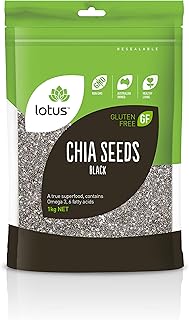
Moderation is key when incorporating seeds into the diet, with a recommended daily intake of 1-2 tablespoons per type of seed. Overconsumption can lead to digestive issues, emphasizing the need to balance seed consumption with other food groups. Dr. Sethi’s advice underscores the importance of moderation for gut-friendly seed intake.
Soaking seeds like chia or basil enhances digestion by softening their outer layer, activating beneficial enzymes, and increasing nutrient bioavailability. For instance, chia seeds soaked in water form a gel-like substance that aids digestion, improves gut health, and promotes satiety, highlighting the benefits of soaking seeds for better digestion.
Consulting a healthcare professional before making dietary changes is essential, as highlighted in this article. Expert opinions stress the significance of incorporating seeds strategically for optimal gut health, emphasizing timing, soaking methods, portion control, and the overall impact of seeds on digestion and well-being.
TOI Lifestyle Desk offers curated lifestyle news, providing inspiration and information on fashion trends, travel, culinary delights, and wellness tips. With a dedicated team of journalists, TOI Lifestyle Desk aims to enrich readers’ lifestyle experiences by delving into the extraordinary aspects of daily living.
📰 Related Articles
- Expert Warns: Improper Chia Seed Consumption Poses Health Risks
- Unlocking the Power of Chia Seeds for Optimal Health
- Ultrasound-Derived Fat Fraction: A Key Tool for Liver Health
- Top Dog Vitamins for Optimal Canine Health
- Surgeon Recommends Chia Seeds with Yogurt for Optimal Health